Open Today Sales: 9 AM-7 PMOpen Today Service: 7:30 AM-5 PM
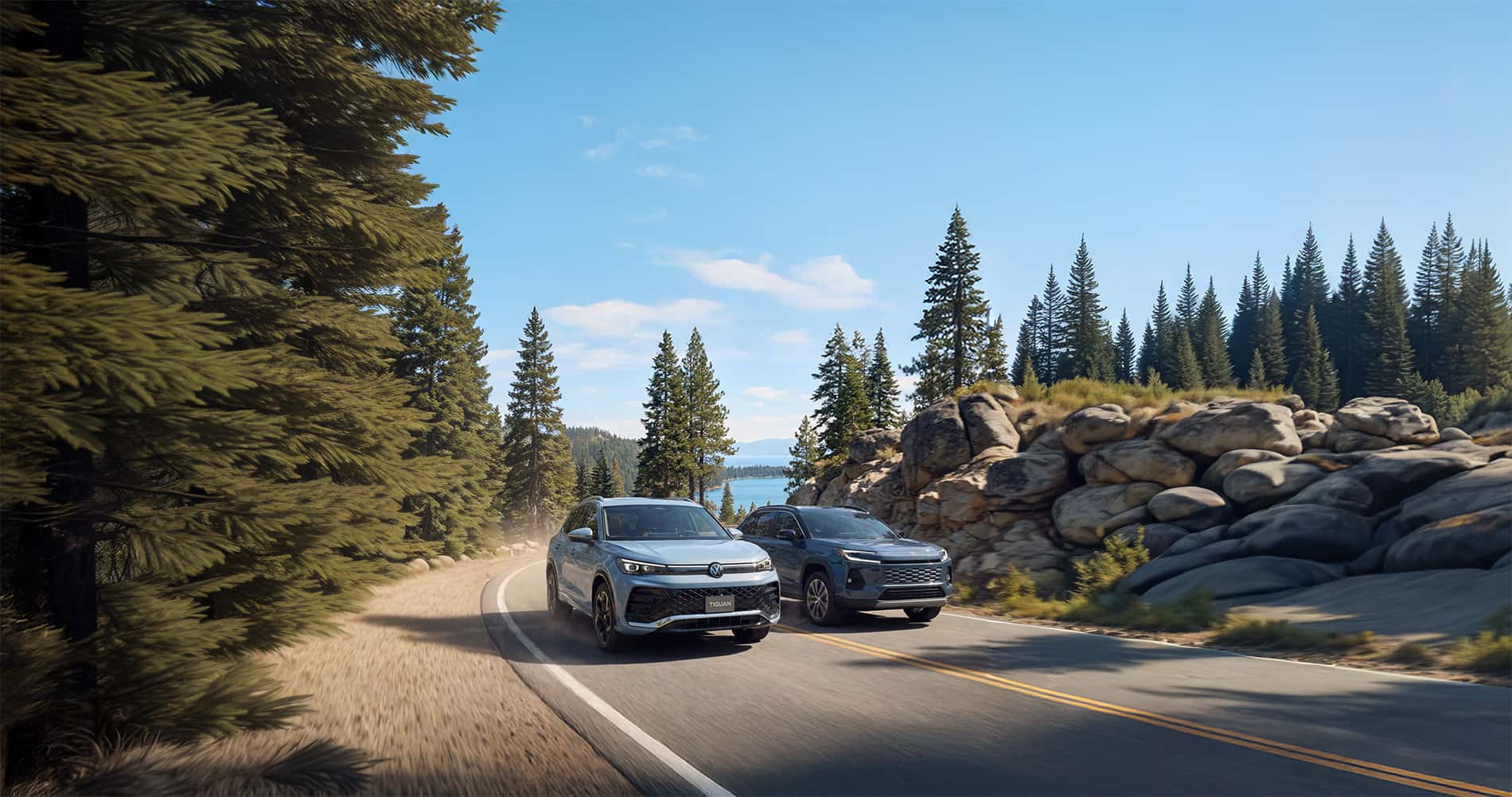
If you’re deciding between the 2026 Volkswagen Tiguan vs Toyota RAV4, you’re comparing two of the most popular compact SUVs on the road today. Both models offer strong value, modern technology, and everyday practicality — but they take very different approaches to performance, comfort, and efficiency.
This guide breaks down those differences in a clear, easy‑to‑understand format so shoppers can quickly see which SUV best fits their lifestyle.
Throughout this comparison, we’ll explore every major category that matters in the real‑world :
Each section includes a quick‑analysis for fast insights, plus deeper explanations that interpret what the numbers mean in everyday use.
By the end, you’ll have a complete, data‑driven understanding of how the Tiguan vs RAV4 compare, helping you make a confident decision based on your needs, priorities, and driving habits.
The 2026 Volkswagen Tiguan delivers a refined, premium‑leaning driving experience with its smooth turbocharged engine and stable, longer‑wheelbase design.
Inside, it feels modern and upscale, thanks to its large touchscreen, digital gauges, and high‑quality materials.
The cabin offers generous passenger space and comfort‑focused features like available ventilated seats, ambient lighting, and even massage functionality.
While it’s not as fuel‑efficient as hybrid competitors, the Tiguan stands out for its balanced performance, quiet ride, and elevated interior feel — making it a strong choice for drivers who want comfort and sophistication in a compact SUV.
The 2026 Toyota RAV4 leans into efficiency, capability, and versatility with its hybrid‑only lineup and strong fuel economy.
It offers responsive acceleration, multiple personality‑driven trims, and available features like ventilated seats and a panoramic camera system that enhance convenience and confidence.
Inside, the RAV4 blends practicality with modern tech, offering large screens and plenty of charging options, though its interface can feel more complex.
With solid cargo space and available off‑road‑oriented models, the RAV4 remains a dependable pick for shoppers who want efficiency, flexibility, and everyday usability.
| Trim Level | 2026 VW Tiguan MSRP* |
2026 Toyota RAV4 MSRP |
|---|---|---|
| Starting Trims | Tiguan S – $32,280 | RAV4 LE FWD – $31,900 RAV4 LE AWD – $33,300 |
| Mid Trims | Tiguan SE – $35,080 | RAV4 SE FWD – $34,700 RAV4 SE AWD – $36,100 |
| Upper Mid Trims | Tiguan SE R‑Line Black – $38,720 | RAV4 XLE Premium FWD – $36,100 RAV4 XLE Premium AWD – $37,500 RAV4 Woodland AWD – $39,900 |
| Top Trims | Tiguan SEL R‑Line Turbo – $44,560 | RAV4 XSE AWD – $41,300 RAV4 Limited AWD – $43,300 |
QUICK ANALYSIS
↳ For shoppers who want a straightforward path from value to luxury, the Tiguan’s structure may feel more intuitive; those who prefer a wider range of personalities within the lineup may gravitate toward the RAV4.
Looking at the Volkswagen Tiguan vs Toyota RAV4 pricing breakdown, the biggest takeaway is how differently these two popular SUVs structure their trim lineups. The Tiguan keeps things simple with four well‑defined models, making it easier for shoppers in places like Elk Grove or Rocklin to understand what they’re getting at each step. The RAV4, meanwhile, offers more variations within each tier, which can be helpful for customization but also adds a bit more complexity to the decision‑making process.
At the entry level, the Tiguan S and RAV4 LE sit close in price, but the Toyota’s cost changes depending on whether buyers choose FWD or AWD. For many Northern California drivers who regularly travel between Sacramento, Folsom, and Roseville, that AWD price difference can matter—especially if they want extra traction for weekend trips without stretching their budget.
In the mid‑trim range, the Tiguan SE and RAV4 SE remain competitively aligned, but they appeal to different priorities. The Tiguan leans into comfort and technology, while the RAV4 emphasizes hybrid efficiency. This is where the Toyota RAV4 vs VW Tiguan comparison becomes more about lifestyle than price.
Higher up the lineup, the Tiguan SE R‑Line Black and SEL R‑Line Turbo deliver a more premium, sporty feel, while the RAV4’s XLE Premium, Woodland, and Limited trims offer a mix of ruggedness and upscale touches.
Overall, the Tiguan keeps its lineup simple and easy to navigate, while the RAV4 offers more variations and price points — making the choice a balance between straightforward trim progression and a wider mix of configurations.
| Specification | 2026 VW Tiguan | 2026 Toyota RAV4 |
|---|---|---|
| Engine | 2.0L Turbo I‑4 | 2.5L Hybrid I‑4 |
| Horsepower | 201 HP 268 HP (R-Line Turbo) |
226 HP (FWD) 236 HP (AWD) |
| Torque | 221 lb‑ft 258 lb‑ft (R-Line Turbo) |
163 lb‑ft |
| Transmission | 8‑Speed Automatic | ECVT |
| Drivetrain | FWD or 4MOTION AWD | FWD or AWD |
| Max FWD MPG* | 26 City / 34 Highway MPG | 48 City / 42 Highway MPG |
| Max AWD MPG* | 22 City / 29 Highway MPG | 45 City / 39 Highway MPG |
| Fuel Type | Regular Unleaded | Regular Unleaded |
| Max Towing Capacity* | 1,800 lbs | 1,750-3,500 lbs |
QUICK ANALYSIS
↳ The Tiguan leans toward power and refinement, while the RAV4 prioritizes fuel efficiency and hybrid versatility — making the choice largely about whether drivers value stronger performance or lower long‑term fuel costs.
When comparing the Volkswagen Tiguan vs Toyota RAV4, the biggest difference comes down to how each SUV approaches power and efficiency. The Tiguan uses a turbocharged 2.0‑liter engine that delivers smooth acceleration and a more refined driving feel, especially in the R‑Line Turbo model with its 268 horsepower and 258 lb‑ft of torque. That extra power is noticeable in everyday driving around places like Sacramento or Roseville, where merging and passing often require confident response.
The RAV4 takes a different path with its hybrid‑focused 2.5‑liter engine. While it doesn’t match the Tiguan’s torque or top‑end horsepower, it excels in fuel economy. Drivers who prioritize efficiency will appreciate the RAV4’s impressive MPG ratings on FWD models.
AWD performance also highlights the contrast. The Tiguan’s 4MOTION system is tuned for stability and confident handling, giving it a more planted feel on winding Northern California roads. The RAV4’s AWD system is efficient and capable, but its primary advantage remains fuel savings rather than performance.
Towing capacity is close for both models, though the RAV4 offers a wider range depending on trim. Still, for most families, the Tiguan’s 1,800‑lb rating is more than enough for small trailers, bikes, or weekend gear.
Overall, the VW Tiguan vs RAV4 comparison comes down to priorities: the Tiguan emphasizes power and refinement, while the RAV4 leans into efficiency and versatility.
| Exterior Dimension | 2026 VW Tiguan | 2026 Toyota RAV4 |
|---|---|---|
| Wheelbase | 109.9 in. | 105.9 in. |
| Overall Length | 184.4 in. | 181.0–182.0 in. |
| Body Width (Without Mirrors) | 73.0 in. | 73.0–74.0 in. |
| Overall Width (With Mirrors) | 84.7 in. | Not Listed |
| Overall Height | 66.5 in. | 66.7–69.1 in. |
| Ground Clearance | 7.0 in. | 8.1–8.5 in. |
QUICK ANALYSIS
↳ The Tiguan’s longer wheelbase and wider stance give it a more planted, stable feel, while the RAV4’s higher ground clearance appeals to shoppers who want extra capability for uneven roads or light outdoor use.
When looking at the Volkswagen Tiguan vs Toyota RAV4, the size differences between the two SUVs are subtle but meaningful in everyday driving. The Tiguan is slightly longer and rides on a noticeably longer wheelbase, which often translates to a smoother, more stable feel on the road. That can make a difference for drivers commuting between places like Sacramento and Roseville, where highway stretches and uneven pavement are part of the daily routine.
Width is another area where the Tiguan stands out. Its broader stance—especially with mirrors extended—gives it a more planted, confident presence. This can help the vehicle feel more secure at higher speeds or when navigating winding roads around Folsom or the foothill areas. The RAV4, while similar in body width, doesn’t publish its full mirror‑to‑mirror measurement, making the Tiguan’s dimensions more transparent for shoppers comparing garage fit or parking space needs.
Height and ground clearance show the biggest contrast. The RAV4 sits higher off the ground, which appeals to drivers who want extra clearance for light trails or rougher backroads common in the surrounding Northern California markets. The Tiguan’s lower height and ground clearance, on the other hand, contribute to easier entry and exit and a more car‑like driving feel—something many families appreciate in busy areas like Elk Grove.
Overall, the VW Tiguan vs RAV4 comparison shows two different philosophies: the Tiguan leans toward stability and refinement, while the RAV4 emphasizes versatility and a slightly more rugged stance.
Note: These measurements represent models without a sunroof. Models with sunroof reduce some of the overall numbers slightly
| Interior Dimension | 2026 VW Tiguan | 2026 Toyota RAV4 |
|---|---|---|
| Rows of Seating | 2 Rows | 2 Rows |
| Passenger Capacity | 5 Passengers | 5 Passengers |
| Passenger Volume | 103.8 cu ft | 98.9 cu ft |
| Headroom Row 1 / Row 2 |
39.5 / 39.7 in | 37.9 / 39.5 in |
| Legroom Row 1 / Row 2 |
40.2 / 40.2 in | 41.0 / 37.8 in |
| Shoulder Room Row 1 / Row 2 |
57.0 / 55.7 in | 57.0 / 56.4 in |
| Hip Room Row 1 / Row 2 |
54.4 / 53.3 in | 55.3 / 49.6 in |
| Trunk Space Behind Row 2 |
33.8 cu ft | 37.8 cu ft |
| Max Cargo Row 2 Folded |
69.8 cu ft | 70.4 cu ft |
QUICK ANALYSIS
↳ The Tiguan offers more overall passenger space and a roomier second row, while the RAV4 edges ahead in cargo capacity — making the decision a balance between people‑comfort and gear‑carrying needs.
When comparing the Volkswagen Tiguan vs Toyota RAV4, the interior space differences are subtle but meaningful for everyday comfort. The Tiguan offers more total passenger volume, giving it a slightly roomier feel overall—something families and commuters in places like Roseville or Elk Grove will appreciate during longer drives or daily traffic. That extra cabin space translates into a more open front row and a noticeably more generous second row, especially in headroom.
Legroom is another area where the Tiguan stands out. With an equal 40.2 inches in both rows, passengers in the back get nearly the same stretch‑out comfort as those in the front. The RAV4 provides excellent front‑row legroom but tightens up in the second row, which may matter for taller passengers or anyone regularly driving between Sacramento and Folsom with a full car.
Shoulder and hip room measurements are close between the two SUVs, but the Tiguan’s slightly wider cabin helps create a more relaxed seating position, especially when carrying three passengers across the rear bench. This can make a noticeable difference for families or rideshares in the surrounding Northern California markets.
Cargo space is where the RAV4 edges ahead, offering a bit more room behind the second row and a touch more maximum capacity when the seats are folded. For most shoppers, though, the difference is small enough that daily usability remains similar.
Overall, the VW Tiguan vs RAV4 comparison shows the Tiguan prioritizing passenger comfort and spaciousness, while the RAV4 leans slightly more toward cargo flexibility.
Note: Not all features listed are standard equipped – some features may be optional or available through packages or certain trim levels
| Feature Category | 2026 VW Tiguan | 2026 Toyota RAV4 |
|---|---|---|
| Infotainment | 12.9″ Touchscreen | 8.0″ or 10.5″ Touchscreen |
| Gauge Cluster | • 10.25″ Digital Cockpit Pro • Head-Up Display |
• 12.3″ Digital • Head-Up Display |
| Connectivity | • Wireless Apple CarPlay • Wireless Android Auto • Multiple USB-C Ports • myVW Connected Services |
• Wireless Apple CarPlay • Wireless Android Auto • Multiple USB-C Ports • Toyota Connected Services |
| Audio | • Premium Audio System • Multiple Speaker Configurations |
• JBL Premium Audio System • Multiple Speaker Configurations |
| Comfort | • Heated Front Seats • Ventilated Front Seats • Heated Rear Seats • Heated Steering Wheel • Dual-Zone Climate Control • 10-Point Massage Front Seats |
• Heated Front Seats • Ventilated Front Seats • Heated Rear Seats • Dual-Zone Climate Control |
| Convenience | • Wireless Charging Pad • Ambient Interior Lighting (30-Color) • Power Front Seats with Memory • Panoramic Sunroof • Cargo Underfloor Storage • Hands-Free Power Liftgate |
• Wireless Charging Pad • Ambient Interior Lighting • Power Driver’s Seat with Memory • Panoramic Glass Roof • Height-Adjustable Cargo Deck • Hands-Free Power Liftgate |
| Exterior Tech | • LED Headlights & DRLs • Adaptive Front Lighting • Illuminated Grille & Logos • Power-Folding Mirrors with Puddle Lights |
• LED Headlights & DRLs • Automatic High Beams • Integrated Fog Lights • Power Mirrors |
QUICK ANALYSIS
↳ The Tiguan delivers a more premium, modern tech experience with larger screens and upscale comfort features, while the RAV4 focuses on practicality and familiar functionality across its lineup.
When comparing the Volkswagen Tiguan vs Toyota RAV4, the differences in technology and comfort features become clear quickly. The Tiguan leans heavily into a modern, premium feel, starting with its large 12.9‑inch touchscreen and 10.25‑inch Digital Cockpit Pro. For drivers in places like Sacramento or Folsom who spend a lot of time in traffic, that larger display and cleaner interface can make daily driving feel more intuitive and less cluttered. The RAV4 offers solid tech as well, but its smaller screens give it a more traditional layout.
Connectivity is strong on both models, with wireless Apple CarPlay, Android Auto, and multiple USB‑C ports. The real difference comes down to the software experience: Volkswagen’s myVW Connected Services emphasizes personalization and remote vehicle controls, while Toyota Connected Services focuses on reliability and essential features. Either way, shoppers in Elk Grove or Roseville will find both SUVs well‑equipped for modern digital life.
Comfort features are where the Tiguan pulls ahead. Heated and ventilated front seats, heated rear seats, a heated steering wheel, and even available massage seats create a more upscale environment. The RAV4 offers many of the same essentials but doesn’t reach the same luxury‑leaning touches. Convenience features follow a similar pattern, with the Tiguan offering 30‑color ambient lighting and underfloor cargo storage, while the RAV4 focuses on practicality with its height‑adjustable cargo deck.
Overall, the VW Tiguan vs RAV4 comparison shows two strong tech packages, but the Tiguan delivers a more premium, feature‑rich experience for drivers who value comfort and modern design.
Note: Not all features listed are standard equipped – some features may be optional or available through packages or certain trim levels.
| Safety & Driver Assistance | 2026 VW Tiguan | 2026 Toyota RAV4 |
|---|---|---|
| Forward Collision Prevention | • Front Assist • Automatic Emergency Braking • Pedestrian & Cyclist Monitoring |
• Pre-Collision System • Automatic Emergency Braking • Pedestrian Detection • Cyclist Detection |
| Adaptive Cruise Control | Adaptive Cruise Control with Stop & Go | Dynamic Radar Cruise Control |
| Lane Support | • Lane Assist • Lane Keeping System • Emergency Assist |
• Lane Tracing Assist • Lane Departure Alert with Steering Assist |
| Blind Spot Monitoring | Active Side Assist | Blind Spot Monitor |
| Rear Cross-Traffic Alerts | Rear Traffic Alert | Rear Cross-Traffic Alert |
| Parking Assistance | • Park Distance Control • Park Assist Plus • Area View (Overhead Camera) |
• Parking Assist Features • Panoramic View Monitor |
| Semi-Autonomous Driving | Travel Assist (Hands-On Assisted Driving) | Lane Tracing Assist (Hands-On Assisted Driving) |
| Traffic Sign Recognition | Dynamic Road Sign Display | Road Sign Assist |
| Lighting Safety Systems | • Adaptive Front Lighting • Poor Weather Lights • Automatic Headlights |
• Automatic High Beams • LED Headlights & DRLs |
| Airbags | • Advanced Airbag Protection System • 10 Airbags Including Rear Side & Front Center |
• Front, Side, Curtain & Knee Airbags |
| Additional Safety Systems | • Tire Pressure Monitoring System • Hill Hold Control • Hill Descent Control (AWD) |
• Tire Pressure Monitoring System • Vehicle Stability Control • Traction Control |
QUICK ANALYSIS
↳ Both SUVs offer strong safety suites, but the Tiguan adds more advanced driver‑assistance and visibility features, while the RAV4 emphasizes straightforward operation.
Safety is one of the most important factors for shoppers comparing the Volkswagen Tiguan vs Toyota RAV4, and both SUVs bring strong feature sets to the table. Still, they take slightly different approaches that matter in everyday driving around places like Elk Grove, Roseville, and the wider Northern California region.
Both models include essential collision‑prevention technologies such as automatic emergency braking and pedestrian detection, but the Tiguan adds cyclist monitoring as part of its Front Assist system. That extra layer of awareness can be especially valuable in busy areas or neighborhoods with frequent bike traffic. The RAV4 counters with a well‑rounded Pre‑Collision System that performs reliably in a wide range of conditions.
Lane‑keeping features are robust on both SUVs, though Volkswagen’s inclusion of Emergency Assist adds an additional safeguard by helping bring the vehicle to a controlled stop if the driver becomes unresponsive. Toyota’s Lane Tracing Assist offers smooth steering support during highway cruising, which is helpful for longer drives between Sacramento and Folsom.
Parking and low‑speed maneuvering also show clear differences. The Tiguan’s Area View overhead camera and Park Assist Plus provide a more premium, confidence‑boosting experience when navigating tight parking lots or crowded downtown streets. The RAV4’s Panoramic View Monitor is helpful as well, though it doesn’t offer the same level of automated assistance.
Lighting and visibility features round out the comparison. The Tiguan’s adaptive front lighting and poor‑weather lights enhance nighttime clarity, while the RAV4 focuses on efficiency with automatic high beams and LED DRLs.
Overall, the VW Tiguan vs RAV4 comparison shows two well‑equipped SUVs, but the Tiguan leans more toward advanced driver assistance and premium visibility features.
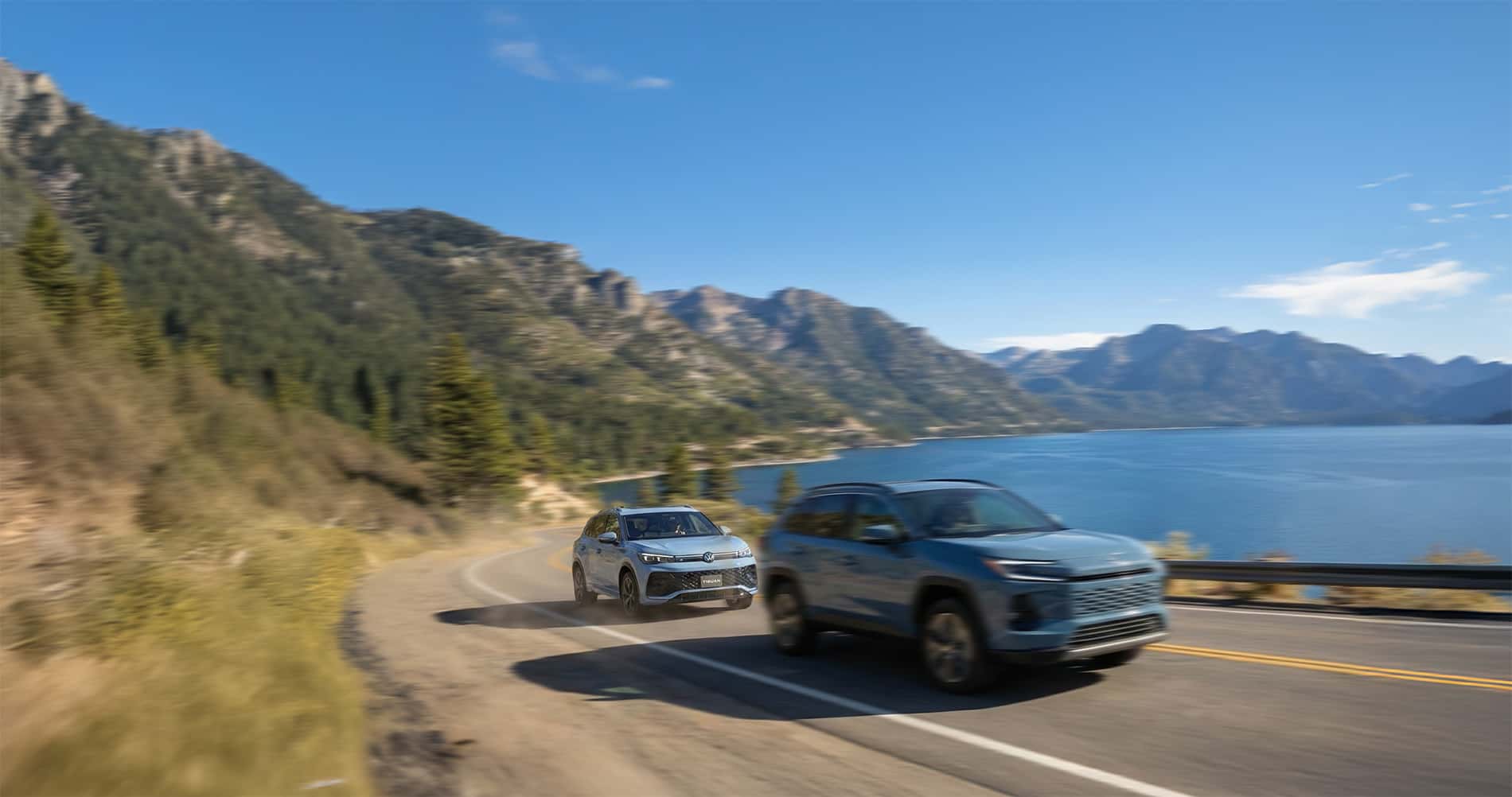
Choosing between the 2026 Volkswagen Tiguan and the 2026 Toyota RAV4 ultimately comes down to what matters most in your daily driving experience. Throughout this comparison, the Volkswagen Tiguan vs Toyota RAV4 matchup highlights two strong but distinct approaches to comfort, capability, and value.
• The 2026 Volkswagen Tiguan delivers a refined, premium‑leaning driving experience with spacious comfort and modern tech that elevates everyday travel.
• The 2026 Toyota RAV4 focuses on hybrid efficiency, versatile capability, and a wide range of trims designed to fit active, adventure‑ready lifestyles.
Both SUVs deliver the safety, reliability, and everyday usability that Northern California drivers expect, whether navigating busy Sacramento streets or heading out toward Roseville, Folsom, or Elk Grove for weekend plans. The right choice depends on whether you prefer the Tiguan’s upscale feel and balanced performance or the RAV4’s efficiency‑driven design and rugged versatility.
No matter which direction you lean, this comparison gives you a clear understanding of how each model fits into real‑world driving. With a test drive, you’ll quickly discover which SUV aligns best with your comfort, priorities, and long‑term needs.
At Elk Grove Volkswagen, we know you have plenty of options when shopping for your next SUV — and that’s exactly why we work harder than anyone to earn your trust. Our team is built around one simple belief: car buying should feel easy, transparent, and genuinely enjoyable.
From the moment you walk through our doors, you’ll experience a level of care and attention that reflects our commitment to doing things the right way. We take pride in offering one of the most comprehensive Volkswagen inventories in the greater Sacramento area, including the latest Tiguan models in a wide range of trims and colors.
Whether you’re comparing features, exploring financing options, or taking your first test drive, our specialists are here to guide you with honest answers and zero pressure. We’ll walk you through the details, help you understand your choices, and make sure you feel confident every step of the way.
What truly sets us apart is our long‑term approach. We don’t just want to help you find the right vehicle — we want to support you throughout your ownership experience. Our certified service center, knowledgeable advisors, and customer‑first philosophy ensure you always have a trusted partner right here in Elk Grove.
If you are looking for a dealership that values integrity, expertise, and a personalized experience — Elk Grove VW is ready to welcome you.
DISCLAIMERS:
*MSRP excludes destination charges, taxes, title, registration, optional equipment, and dealer fees. Actual dealer pricing may vary. Pricing is subject to change without notice. See dealer for details.
*EPA‑estimated fuel economy. Actual mileage will vary based on driving conditions, driving habits, vehicle condition, and other factors.
*Towing capacity shown is maximum when properly equipped. Towing capability varies based on vehicle configuration, cargo, passengers, accessories, and trailer equipment. Always follow all towing guidelines in the owner’s manual.


