Open Today Sales: 9 AM-7 PMOpen Today Service: 7:30 AM-5 PM
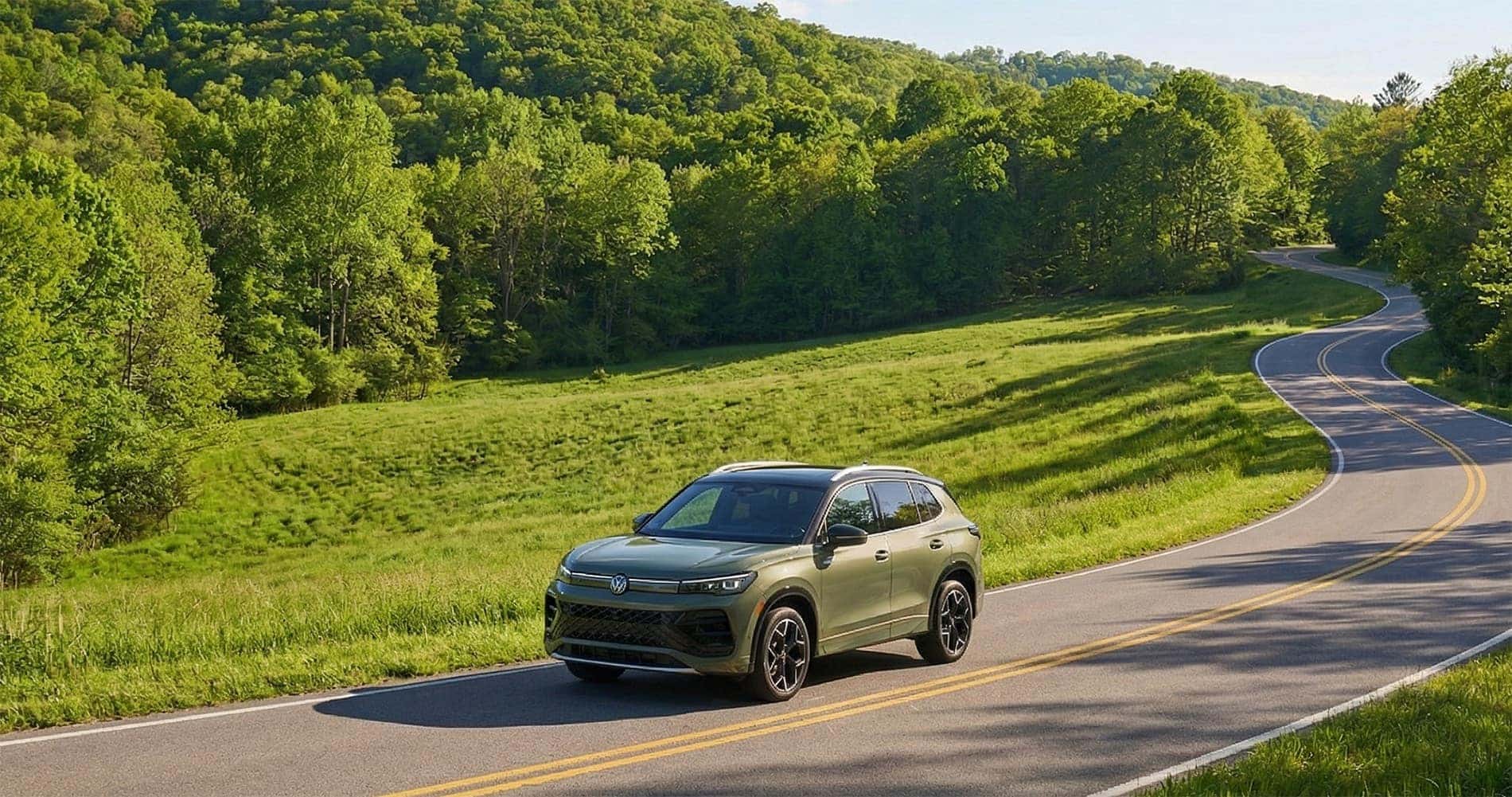
The Volkswagen Tiguan is a popular choice for drivers who want the versatility of an SUV without stepping into something oversized, and cargo space plays a big role in that appeal. Whether you’re running daily errands, managing family gear, or packing for a weekend trip, understanding how much the Tiguan can actually carry helps determine if it fits your lifestyle.
This article breaks down VW Tiguan cargo space in clear, practical terms. You’ll find tables outlining cargo volume behind the second row and with the rear seats folded, side-by-side comparisons against key competitors, and real-world examples that translate cubic-foot measurements into everyday use. We also look at how the Tiguan stacks up within the compact SUV segment so you can better understand where it offers meaningful advantages.
Rather than focusing only on numbers, the sections ahead explain how trunk dimensions affect daily routines, travel plans, and flexibility when hauling larger items. From grocery runs to luggage and home projects, the goal is to show how this space actually works in real situations.
Quick answers are included at the end of this guide for easy reference, covering cargo volume with the seats up, maximum cargo space with the seats folded, and the types of activities the Tiguan is best suited for. By the end, you’ll have a clear, realistic picture of how the Tiguan’s cargo area supports everyday life—not just what the specs say on paper.
With Rear Seats Folded
Behind the 2nd Row
| Cargo Space | |
|---|---|
| Cargo Configuration | Cargo Volume |
| Cargo Volume Behind 2nd Row | 33.8 Cu Ft |
| Max Cargo Volume With Rear Seats Folded | 69.8 Cu Ft |
| Cargo Space vs Competitors | ||
|---|---|---|
| Vehicle Model | Cargo Space / Trunk Size | Max Cargo Space / Seats Folded |
| 2026 Volkswagen Tiguan | 33.8 Cubic Feet | 69.8 Cubic Feet |
| 2026 Honda HR-V | 24.4 Cubic Feet | 55.1 Cubic Feet |
| 2026 Mazda CX-30 | 20.2 Cubic Feet | 45.2 Cubic Feet |
| 2026 Subaru Crosstrek | 19.9 Cubic Feet | 54.7 Cubic Feet |
| 2026 Honda CR-V | 39.3 Cubic Feet | 76.5 Cubic Feet |
When comparing compact SUVs, cargo capacity often becomes one of the most important day-to-day considerations, and this table makes those differences easy to understand. The Volkswagen Tiguan stands out with 33.8 cubic feet of cargo space behind the second row, giving it a clear advantage over smaller competitors like the Honda HR-V, Mazda CX-30, and Subaru Crosstrek. That added room translates to fewer compromises when loading groceries, sports gear, or luggage.
Looking at VW Tiguan cargo space in real-world terms, the Tiguan’s generous trunk area makes everyday tasks easier without immediately needing to fold the rear seats. Weekly errands, family activities, and shared-vehicle use are more manageable when items fit comfortably without stacking. With the rear seats folded, cargo capacity expands to 69.8 cubic feet, providing meaningful flexibility for hauling longer or bulkier items.
While the Honda CR-V leads the segment in maximum cargo volume, the Tiguan strikes a strong balance between usable space and overall vehicle size. For drivers around Elk Grove or Sacramento who want flexibility without stepping into a larger SUV, the Tiguan offers a practical middle ground. Compared to models with smaller cargo areas, it reduces the need for constant seat-folding or multiple trips, making it a smart fit for busy households, weekend travel, and everyday life.
| Real-World Examples of What Fits in the Volkswagen Tiguan | |
|---|---|
| Groceries | A full weekly grocery run with room for bulk items, multiple reusable bags, and larger packages like paper goods or cases of beverages. |
| Luggage for a Weekend Trip | Suitcases or duffel bags for 3–4 passengers, plus space for backpacks or a small cooler without stacking items to the roof. |
| Sports & Outdoor Gear | Soccer gear, gym bags, folding chairs, or camping essentials such as tents, sleeping bags, and cooking bins. |
| Baby & Family Gear | A full-size stroller, diaper bags, portable playpen, and additional travel items with clear rear visibility intact. |
| Home Improvement Supplies | Flat-packed furniture, storage totes, boxes of flooring, or multiple bags of soil or mulch with the rear seats folded. |
| Daily Essentials | Emergency tools, sports equipment, work gear, and everyday items organized neatly for quick access. |
This table helps turn Volkswagen Tiguan cargo space from a set of numbers into situations drivers actually face day to day. With the rear seats in place, the Tiguan offers enough room to comfortably handle errands like grocery runs or school pickups without crowding the cabin, making it practical for busy schedules and shared family use.
When it’s time to travel, the Tiguan’s trunk space proves especially useful. Being able to load luggage for several passengers while still leaving room for extras makes weekend trips or short road trips far less stressful. Families with young children benefit from how easily strollers and baby gear fit without forcing compromises.
The flexibility really stands out once the rear seats are folded. Longer items, home improvement supplies, or outdoor equipment can be loaded without constant rearranging. Overall, these real-world examples show that the Tiguan’s cargo dimensions translate into everyday convenience, not just impressive specs on paper.
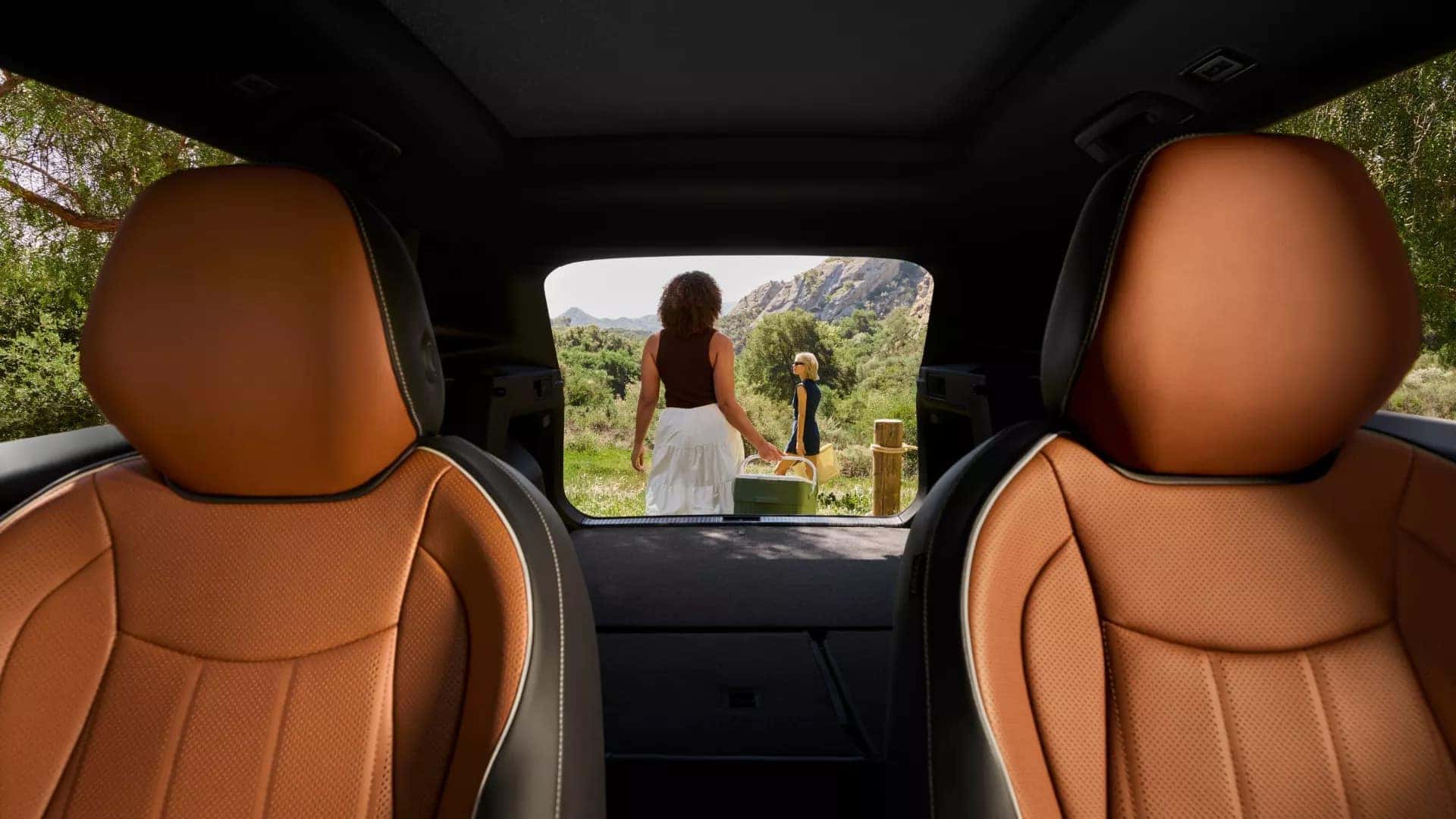
Choosing the right compact SUV often comes down to how well it supports everyday life, and cargo capacity plays a bigger role than many drivers expect. As this comparison shows, the Volkswagen Tiguan offers a strong balance of usable trunk space and flexibility, making it easier to manage errands, family routines, and weekend plans without constantly rearranging seats or leaving items behind.
With ample cargo room behind the second row and a significant expansion when the rear seats are folded, the Tiguan adapts well to changing needs. Whether you’re hauling groceries, loading sports gear, or packing for a short trip, the space feels practical rather than tight. While some competitors offer either smaller footprints or larger maximum numbers, the Tiguan strikes a middle ground that works well for drivers who want versatility without moving up to a larger SUV.
Looking at VW Tiguan cargo space in real-world terms helps clarify why these numbers matter. It’s not just about cubic feet on a spec sheet—it’s about convenience, fewer compromises, and the confidence that your vehicle can handle both planned tasks and last-minute needs. For drivers around Elk Grove and Sacramento, that flexibility can make daily life smoother, whether you’re commuting, managing family schedules, or heading out for a quick getaway.
Overall, the Tiguan’s cargo design supports a wide range of lifestyles, offering the kind of adaptability that makes ownership easier and more enjoyable over time.
At Elk Grove VW, we know that choosing the right SUV is about more than numbers on a spec sheet. It’s about how a vehicle fits into your everyday life, from errands and commutes to weekend plans and family needs. That’s why we focus on clear, honest guidance when helping drivers explore the Volkswagen Tiguan and understand how its cargo space works in real-world situations.
Our team takes the time to walk through practical details—like how much fits in the trunk, how the rear seats fold, and what that space feels like in person—so you can make a confident decision without pressure. Whether you’re comparing the Tiguan to other compact SUVs or deciding which configuration fits your lifestyle best, we’re here to answer questions and offer straightforward insight.
As a local Volkswagen dealership, we work with drivers from Elk Grove, Sacramento, and Roseville every day, and we understand the balance many shoppers are looking for: flexibility, comfort, and ease of ownership. When you shop with Elk Grove VW, you’re choosing a team that values transparency, product knowledge, and long-term relationships—not just the sale.
From your first visit to long after you drive home, our goal is to make your experience simple, informative, and comfortable, helping you find a Tiguan that truly fits your needs.
DISCLAIMERS:
*Cargo capacity and interior dimensions are based on manufacturer specifications. Actual usable space may vary depending on vehicle configuration, trim level, seating position, and installed accessories.
*All measurements shown are approximate. Real-world cargo capacity may differ based on item shape, weight distribution, and loading method.
*Comparisons to competitive models are based on publicly available manufacturer data and may change by model year or trim.
*Vehicle features, specifications, and equipment are subject to change without notice. Please confirm all details with an authorized Volkswagen dealer.
*Images and examples shown are for illustrative purposes only and may not reflect actual vehicles in stock.


